
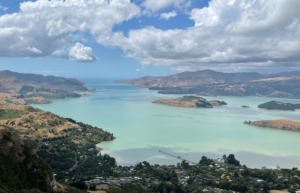
I almost didn’t make it into 2026 and I have the battle scars to prove it. Surviving a serious life threatening illness puts everything else into perspective forever. So visiting Raglan this long weekend – with my wife Renea Mackie – has been an amazing tonic for us both after a very challenging 12 months.
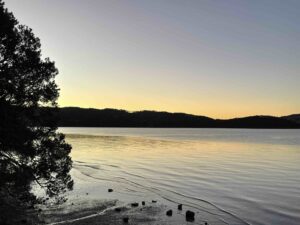
Raglan Harbour Sunset
Restful location with rejuvenating sea air, amazing views and some overdue quiet time for writing and reflection about what’s up next. Did I mention the cute laneways, lovely cafes, fresh fish & chips and friendly, creative locals? Nestled among the misty hills of coastal Waikato, this busy little town somehow balances the needs of alternative lifestylers, eager tourists and local Tainui people. At least superficially, it is a microcosm of our nation.
But in the midst of these simple pleasures, I’m also mindful that wider New Zealand is doing it tough right now in economic terms. The future quality of the healthcare system (that saved my life) and that of our once respected education and welfare institutions now looks at risk. Successive governments have failed to make smart decisions about moving our country up the value chain. We have not planned adequately for energy and climate security. Infrastructure capacity is still years behind population growth and land developments. On top of all this, environmental protections are being wound back.
I’ve been around long enough to witness the ebb and flow of numerous economic cycles. But this time it’s different. Society has never been so polarised politically. Young people and knowledgeable elders with clever ideas are not being heard or are giving up hope and leaving. In the meantime, as social equity erodes, we cling to incredibly outdated, divisive and binary 19th Century thinking around politics, race and economics.
It seems overdue that we review whether or not our political system and constitutional arrangements remain fit for purpose. At the very least we finally need to find a unifying sense of direction as a nation that for once does not entirely revolve around sport. We are so very fortunate to live in such a peaceful and beautiful place. But the worry is that the sun is setting and the rest of the world is rapidly leaving us behind.
Paul Spence is a commentator, researcher and a part-time university assistant lecturer in commerce and management. A previous co-founder of a successful New Zealand based global technology venture, co-founder and director of Creative Forest, principal at GeniusNet Research & GeniusReFi and a startup advisor. You can follow Paul on BlueSky @GeniusReFi or Twitter/X @GeniusNet

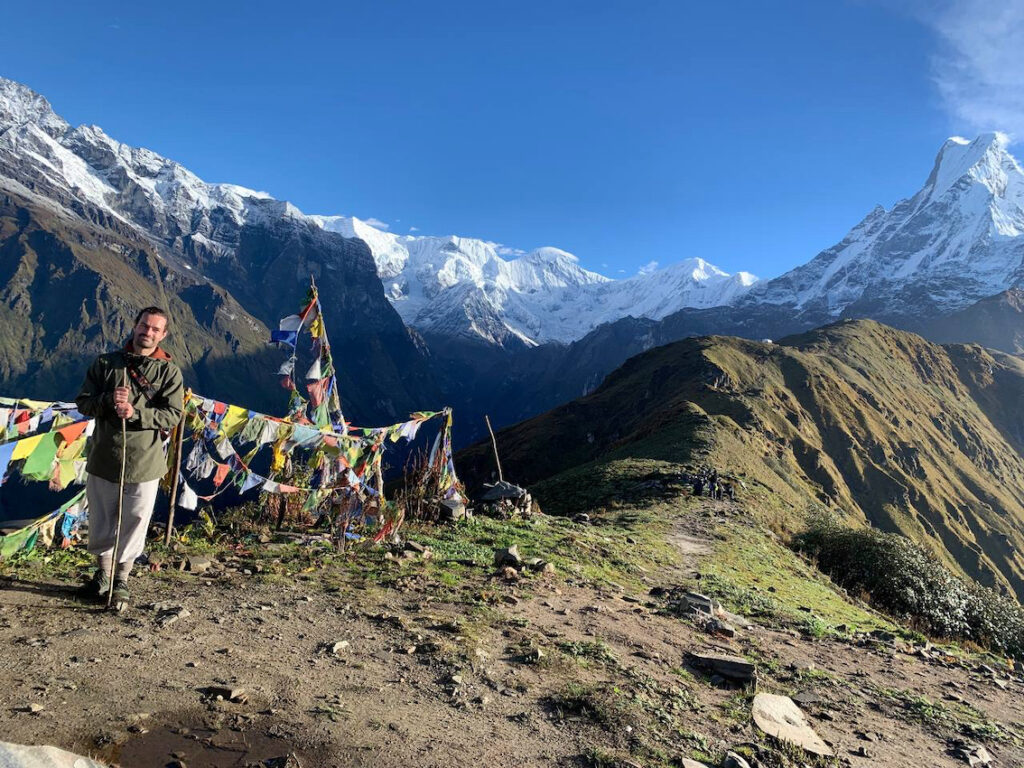 This week my son Oskar has been trekking in Nepal, enjoying some amazing views. I rarely post about family stuff here, but I’m so proud of what he has achieved in recent years. He’s developing into a fine young man with a great range of practical skills that will no doubt help fund his future adventures. I’m so glad I was able to see him off on the start of his trip, when we met up in Saigon a few months ago.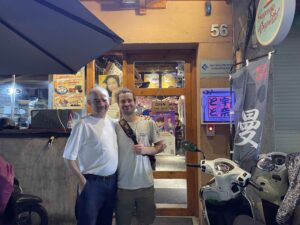
 During our travels over the last few weeks I have been assiduously avoiding all New Zealand media and political commentary. We are such a binary thinking and inwards looking nation, it is nice to have a break from it. But I couldn’t avoid seeing the recent remarks from Mayor Brown and Peter Gluckman both alluding to Auckland’s greatness as a “centre for innovation” whilst lobbying (of course) for government support.
 My apologies for the radio silence lately. It has been a huge year personally and professionally with a lot of change, many challenges and some big plans finally starting to coalesce. One aspect of this has been our efforts bringing Genius ReFi to life.
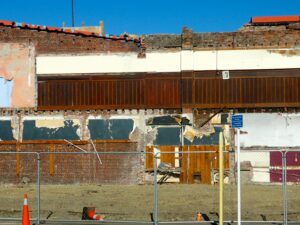 New Zealand faces a polycrisis due to decades of under-investment in public infrastructure. Indicative of this malaise are multiple

 I was in a community call today contributing to the good work of the NZ Startup Council. It wasn’t long before somebody popped the “diversity question” into the conversation, complaining that women, migrants and people of colour can’t get help with their startups and do not get a fair hearing from investors in New Zealand. If that is true, I want to do something about it!